The Growing Importance of Durable Building Materials
In modern construction and manufacturing, the materials chosen for a project play a crucial role in determining its strength, appearance, and long-term reliability. Builders, architects, and manufacturers constantly look for materials that combine durability with a clean and modern look. Among the many options available today, premium stainless steel sheets have emerged as one of the most reliable and versatile materials used across different industries.
Stainless steel sheets have gained attention because they offer a balance of performance and aesthetics. They are known for their ability to resist rust, maintain structural integrity, and retain their appearance even after years of exposure to challenging environments. Because of these qualities, stainless steel sheets are used in a wide range of applications, from large-scale construction projects to detailed interior design features. In many cases, they are also used together with aluminium sheets in architectural and industrial designs, creating structures that are both durable and visually appealing.
As construction standards continue to evolve and sustainability becomes more important, the demand for high-quality stainless steel sheets continues to increase. Builders and designers appreciate materials that not only perform well but also contribute to modern architectural styles and environmentally responsible practices.
Understanding the Composition of Stainless Steel Sheets
Stainless steel sheets are created from an alloy primarily made of steel and chromium. The addition of chromium is what gives stainless steel its well-known resistance to corrosion. When chromium is present in sufficient amounts, it reacts with oxygen in the air and forms a thin protective layer on the surface of the steel. This invisible layer prevents moisture and air from damaging the material, allowing it to remain rust-free even in demanding environments.
The manufacturing process of stainless steel sheets involves several important stages that transform raw materials into strong and flexible metal sheets. Initially, raw materials such as iron, chromium, and other elements are melted together in large furnaces. Once the alloy reaches the required composition, it is cast into slabs that will later be processed further.
These slabs are then subjected to hot rolling, a process that shapes the metal and reduces its thickness. After this stage, the steel sheets can undergo cold rolling, which improves the surface finish and increases strength. Cold rolling also allows manufacturers to produce sheets with precise thickness and smooth surfaces suitable for various applications.
After rolling, the sheets are often heat-treated through a process called annealing. This step relieves internal stress within the metal and improves flexibility, allowing the material to be shaped or cut without cracking. Finally, finishing techniques such as polishing, brushing, or coating are applied depending on the intended use of the stainless steel sheet.
Wide Applications Across Different Industries
One of the reasons stainless steel sheets are so widely used is their versatility. The material performs well in environments where strength, hygiene, and durability are essential. As a result, it has become an essential component in many industries.
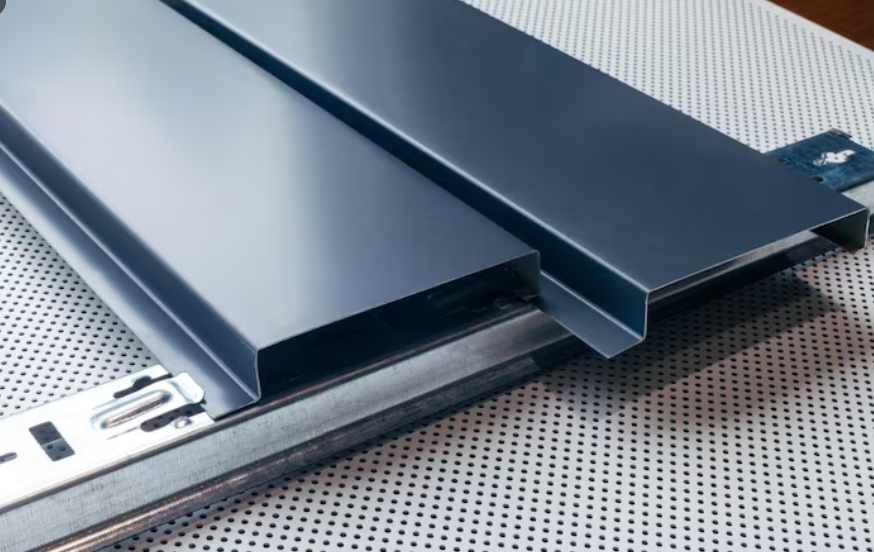
In the construction sector, stainless steel sheets are often used for building facades, roofing systems, wall cladding, and decorative panels. Architects appreciate the sleek appearance of stainless steel because it complements contemporary building designs. The material also withstands weather exposure, making it suitable for both interior and exterior structures.
The automotive industry also benefits from stainless steel sheets. Car manufacturers use them for structural components, exhaust systems, and decorative trims. Their resistance to corrosion and ability to handle high temperatures make them well suited for demanding automotive environments.
In the food and beverage industry, stainless steel sheets are widely used for kitchen surfaces, food processing equipment, and storage systems. One of the main reasons for this is hygiene. Stainless steel does not easily harbour bacteria and can be cleaned efficiently, making it a preferred material for environments where cleanliness is critical.
The medical field also relies heavily on stainless steel sheets. Hospitals and laboratories use stainless steel for surgical tools, medical equipment, and sterilisation systems. Its non-reactive surface and resistance to chemicals make it ideal for maintaining sterile environments.
Environmental Benefits and Sustainable Material Use
Sustainability has become a major concern in modern manufacturing and construction. As industries look for ways to reduce environmental impact, stainless steel sheets have become an attractive choice due to their eco-friendly characteristics.
One of the most important advantages of stainless steel is that it is fully recyclable. When stainless steel products reach the end of their useful life, they can be melted down and reused without losing their quality. This reduces the need for new raw materials and helps conserve natural resources.
Many stainless steel products already contain recycled content, which lowers the environmental footprint associated with their production. The durability of stainless steel also contributes to sustainability because structures and equipment made from it tend to last longer. When materials have a longer lifespan, fewer replacements are required, which reduces overall waste.
Manufacturers are also investing in new technologies that make the production of stainless steel more energy efficient. Improvements in furnace design, recycling processes, and manufacturing techniques are helping reduce carbon emissions while maintaining the quality of the final product.
Market Demand and Global Industry Growth
The global demand for stainless steel sheets continues to grow as industries expand and infrastructure projects increase around the world. Rapid urban development in many regions has created a strong need for materials that offer durability and visual appeal.
Countries in Asia and Europe play a major role in the production and consumption of stainless steel. Large-scale infrastructure projects, commercial developments, and residential construction all contribute to the rising demand for this material.
Despite strong demand, the stainless steel industry also faces challenges. Fluctuating prices of raw materials such as nickel and chromium can affect production costs. Additionally, global supply chains sometimes experience disruptions that impact manufacturing schedules.
However, companies that focus on efficiency and innovation often find ways to adapt. By improving production techniques and strengthening supply networks, manufacturers can remain competitive while meeting the growing needs of construction and manufacturing sectors.
Customisation and Surface Finishing Options
Another reason stainless steel sheets are so popular is their ability to be customised according to specific project requirements. Manufacturers can produce sheets in different thicknesses, sizes, and grades, allowing them to meet the needs of various industries.
Surface finishing plays a significant role in the appearance and performance of stainless steel sheets. Some projects require a matt or brushed finish for a subtle and elegant look, while others prefer a polished or mirror-like surface that reflects light and enhances visual impact.
Special surface treatments can also improve certain properties of stainless steel sheets. Some finishes increase resistance to scratches, while others enhance durability in high-temperature environments. Patterned textures are also available, allowing designers to create unique visual effects that complement architectural concepts.
Customisation extends beyond appearance. Stainless steel sheets can also be cut, bent, or formed into different shapes to meet structural requirements. This flexibility allows builders and designers to incorporate stainless steel into a wide range of creative and functional designs.
The Role of Technology in Modern Manufacturing
Technology has transformed the way stainless steel sheets are produced and processed. Modern manufacturing facilities rely on automation and advanced machinery to ensure consistent quality and precise measurements.
Computer-aided design and computer-aided manufacturing systems allow engineers to plan and produce components with remarkable accuracy. These digital tools help manufacturers create custom products while minimising waste and improving efficiency.
Advances in metallurgy are also helping researchers develop new types of stainless steel alloys. These improved materials offer enhanced strength, better resistance to corrosion, and lighter weight compared to traditional steel compositions.
Such innovations expand the possibilities for stainless steel sheets in industries where performance standards continue to rise.
Looking Ahead: The Future of Stainless Steel Sheets
As technology and sustainability continue to shape modern industries, stainless steel sheets are expected to remain a key material in construction and manufacturing. Researchers are exploring new ways to improve performance through advanced coatings and innovative surface treatments.
Some studies are examining how nanotechnology could be used to create self-healing surfaces that repair minor scratches automatically. Other research focuses on developing coatings that offer even greater resistance to corrosion in extreme environments.
These advancements may open the door to entirely new applications for stainless steel sheets in fields such as renewable energy, advanced transportation, and high-performance architecture.
Conclusion
Premium stainless steel sheets have become an essential material in the modern world. Their strength, resistance to corrosion, and clean appearance make them suitable for a wide range of industries, including construction, automotive manufacturing, food production, and healthcare.
As the demand for durable and sustainable materials grows, stainless steel sheets continue to stand out as a practical and forward-looking choice. With ongoing innovations in manufacturing technology and environmental practices, the role of stainless steel in shaping the future of modern construction and industrial design is only expected to expand.
By combining durability, flexibility, and sustainability, stainless steel sheets represent more than just a building material. They symbolise a shift toward smarter and more responsible approaches to engineering and design, ensuring that future structures remain both functional and environmentally conscious for years to come.