In modern homes, workplaces, and public spaces, waste management is more than just tossing items into a bin. Hygiene, convenience, and efficiency all play vital roles, and this is where the pedal bin comes in. Unlike standard trash containers, a pedal bin allows hands-free operation, reducing contact with potentially harmful bacteria. By simply pressing the foot pedal, the lid opens, making it an ideal solution for areas where cleanliness is a priority. Kitchens, bathrooms, offices, hospitals, schools, and even outdoor spaces benefit from this simple yet highly effective design. Over time, pedal bins have evolved from basic containers into highly functional tools that support hygiene, sustainability, and convenience, proving that even small innovations can make a significant difference in everyday life.
Structure and Functionality
A pedal bin’s design is deceptively simple yet highly effective. Typically, it consists of a container to hold waste, a lid to conceal contents and control odours, and a foot pedal connected to a mechanical system that lifts the lid. This hands-free operation prevents direct contact with waste, reducing the spread of bacteria and promoting cleaner environments. Modern bins are available in a wide variety of sizes, from compact models suitable for bathrooms to large-capacity bins for kitchens, offices, and commercial spaces. Many designs also feature smooth, rounded edges, reinforced bases for stability, and inner containers or bag holders to make waste removal easier. The versatility in design ensures that pedal bins can fit seamlessly into almost any environment, making them indispensable for both domestic and professional use.
Material and Design Choices
Pedal bins are manufactured using materials that balance durability, aesthetics, and functionality. Stainless steel is a popular choice for its strength, long lifespan, and modern, sleek appearance. It resists rust, stains, and corrosion, making it ideal for kitchens, hospitals, and offices. Plastic models, on the other hand, are lighter, more affordable, and available in a variety of colours and designs, making them suitable for both home and commercial use. Many modern pedal bins also include soft-close lids, preventing loud noises when shutting, and features such as odour filters, bag retention systems, or removable liners for easier cleaning. Whether designed for style, strength, or practicality, the material and design of a pedal bin determine its suitability for a given space and its long-term usability.
Enhancing Efficiency in Workplaces
In workplaces, pedal bins improve both efficiency and cleanliness. Offices, schools, hospitals, and commercial kitchens handle large volumes of waste daily, and pedal bins provide an efficient solution for timely disposal. Large bins with high capacity and ergonomic designs allow staff to manage waste quickly without disrupting workflow. Some models include wheels for mobility, making it easier to move bins for emptying or cleaning. By integrating pedal bins into daily operations, businesses can maintain a clean environment, enhance employee comfort, and reduce potential hazards caused by overflowing or misplaced waste.
Choosing the Right Pedal Bin
Selecting the correct pedal bin depends on several factors. Size is critical; small bins are perfect for compact spaces like bathrooms or personal offices, while larger models suit kitchens, communal areas, or commercial environments. Material choice also matters: stainless steel offers durability and a modern look, whereas plastic is lightweight and versatile. Other considerations include ease of cleaning, lid functionality, and whether additional features like odour filters, bag holders, or dual compartments are needed. Making an informed choice ensures the pedal bin serves its purpose effectively, maintaining hygiene and convenience over the long term.
Technological Advancements
Pedal bins have evolved beyond mechanical designs. Newer models feature motion sensors or touchless operation, allowing users to open the bin with a wave of the hand or even voice commands. These innovations minimise contact further, making them ideal for hospitals, laboratories, and high-traffic public spaces. Some smart bins include sensors that alert cleaning staff when full, enabling timely maintenance and improving waste management efficiency. These advancements demonstrate how even a simple item like a bin can benefit from technology, enhancing both convenience and sanitation.
Pedal Bins in Public Spaces
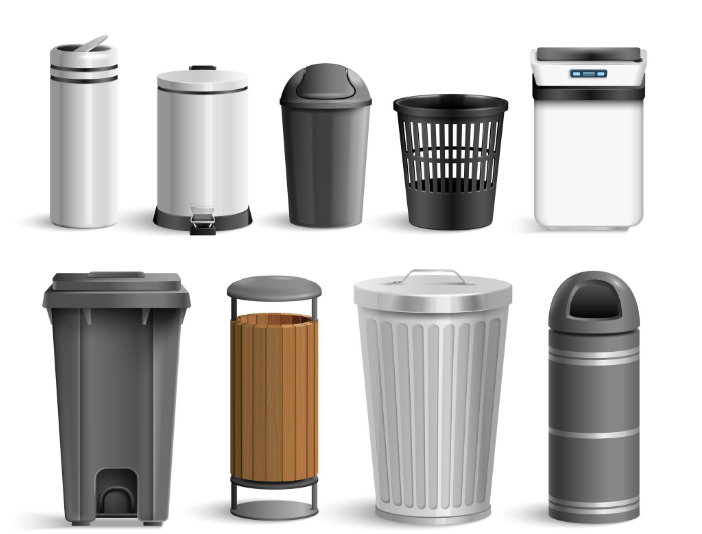
Pedal bins are vital in public areas, including parks, shopping centres, airports, and transport hubs. Their hands-free operation encourages proper waste disposal, contributing to cleaner streets and communal spaces. In public installations, pedal bins are built to withstand heavy use and weather conditions. Durability and reliability are key, as these bins often face constant exposure to foot traffic and environmental stressors. By providing an easy-to-use and hygienic disposal option, public pedal bins promote responsible behaviour and support community health initiatives.
Cost Efficiency and Long-Term Investment
Investing in a high-quality pedal bin is cost-effective over time. Durable materials and well-engineered mechanisms mean fewer replacements, saving money in the long run. In commercial settings, using large-capacity bins reduces the frequency of emptying, streamlines operations, and reduces staff workload. Even in domestic settings, a reliable pedal bin prevents leaks, odours, and spills, ensuring a cleaner home environment. Overall, the combination of hygiene, convenience, and longevity makes pedal bins a wise investment for both homes and workplaces.
Conclusion
Pedal bins may appear to be simple objects, but their impact on hygiene, efficiency, and convenience is profound. From homes to offices and public spaces, they provide a practical solution for managing waste in a safe and responsible way. Their evolution from basic containers to modern, technologically enhanced, and environmentally conscious designs demonstrates their ongoing relevance. By incorporating pedal bins into daily routines, individuals and organisations can maintain cleaner spaces, reduce the spread of germs, support sustainability, and enjoy a more organised and hygienic environment. As waste management continues to evolve, the humble pedal bin remains a small but essential hero in maintaining clean and safe spaces for all.