Decorative concrete has emerged as a versatile and stylish solution in modern interior design, offering a rare combination of durability, aesthetic appeal, and adaptability. Once considered purely functional and utilitarian, concrete has evolved into a material that enables creative expression, providing designers and homeowners with the opportunity to redefine interior spaces. Innovations such as beautiful decorative concrete finishes further expand design possibilities, introducing refined textures and customised effects that enhance visual impact. From floors to feature walls, countertops to architectural details, decorative concrete finishes now play a central role in creating environments that are both functional and visually engaging.
The Evolution of Decorative Concrete
Concrete has long been valued for its strength and longevity. Historically, its use was limited to foundations, exterior structures, and industrial settings, where aesthetic considerations were secondary to durability. However, recent advancements in finishing techniques and material science have transformed concrete into a medium capable of elevating interior design. Modern processes such as polishing, stamping, staining, and exposing aggregates have allowed concrete to move beyond its practical origins, offering surfaces that are visually striking and highly adaptable. These developments have positioned concrete as a material that not only supports architectural integrity but also enhances the character and individuality of interior spaces.
Types of Decorative Concrete Finishes
Polished Concrete
Polished concrete involves mechanically grinding and polishing the surface to create a high-gloss, reflective finish. This method enhances the inherent beauty of the material, producing surfaces that are smooth, durable, and low-maintenance. Polished concrete is particularly suited to high-traffic areas, providing a sleek, modern aesthetic that can be further customised with subtle colour dyes. Its reflective quality contributes to a sense of space and light, making interiors appear more open and sophisticated.
Stamped Concrete
Stamped concrete is designed to replicate the appearance of other materials, such as brick, tile, or natural stone, using precision moulds and colouring techniques. This finish offers a cost-effective alternative to traditional materials while allowing for exceptional creativity. It is frequently used for feature walls, floors, and decorative panels, providing texture and visual interest without compromising on durability. The ability to mimic premium surfaces makes stamped concrete an attractive option for those seeking the elegance of natural materials combined with the resilience of concrete.
Stained Concrete
Staining concrete introduces a wide palette of colours, allowing designers to transform neutral surfaces into dynamic design elements. Acid-based stains react chemically with the concrete, creating deep, variegated tones reminiscent of natural stone, while water-based stains provide more uniform colour and translucency. This flexibility enables tailored solutions that harmonise with a room’s overall design scheme, offering the opportunity for subtle undertones or bold, dramatic effects depending on the desired atmosphere.
Exposed Aggregate
Exposed aggregate finishes reveal the raw stones embedded within the concrete mix, producing a tactile and visually compelling surface. By removing the top layer of cement, designers can showcase natural materials, adding texture and contrast to otherwise smooth environments. This finish is ideal for accent surfaces, feature walls, and decorative flooring, bringing a natural, organic quality to modern interiors.
Applications in Interior Design
Floors
Decorative concrete floors remain one of the most popular applications. Concrete’s ability to emulate other materials, combined with its thermal mass, makes it an ideal choice for interiors. It pairs effectively with underfloor heating systems, offering both comfort and efficiency. Floors finished with polished, stained, or stamped concrete provide a sense of continuity and cohesion, while also serving as a durable and low-maintenance foundation for any space.
Walls and Ceilings
Concrete finishes on walls and ceilings add depth and texture, transforming ordinary surfaces into architectural statements. Feature walls or accent panels benefit from trowelled, board-formed, or textured finishes, which create visual interest and tactile appeal. These surfaces integrate well with other materials, allowing designers to craft interiors with layers of texture and contrast that highlight the material’s versatility.
Kitchens and Bathrooms
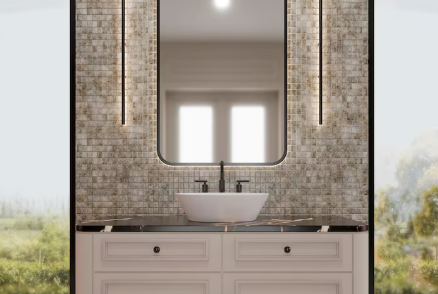
The resistance of concrete to heat, moisture, and wear makes it highly suitable for kitchens and bathrooms. Customisable countertops, sinks, and bathtubs combine functionality with visual impact, delivering surfaces that are both robust and elegant. Concrete in wet areas demonstrates the material’s adaptability, blending practicality with refined design. Its seamless appearance allows for cohesive integration of surfaces and finishes, resulting in interiors that feel both contemporary and enduring.
Customisation and Creative Expression
A defining feature of decorative concrete is its capacity for personalisation. Designers can integrate intricate patterns, special aggregates, and unique textures to create truly bespoke surfaces. Imprinting, etching, and moulding techniques allow for the incorporation of artistic motifs, logos, or customised designs, opening limitless possibilities for creative expression.
Patterns and Textures
From industrial raw finishes to sleek, modern lines, concrete accommodates a wide variety of patterns and textures. Artistic techniques such as engraving or stamping provide additional opportunities for creating distinctive surfaces that resonate with the intended atmosphere of a room.
Colours and Dyes
Pigments and dyes extend the decorative potential of concrete. Earthy tones, muted shades, or vibrant colours can be combined to achieve subtle contrasts or striking focal points, aligning with the broader design palette. This versatility ensures that concrete elements remain cohesive with the overall interior scheme while adding character and vibrancy.
Environmental Considerations
Decorative concrete is also a sustainable option in modern design. Composed primarily of abundant natural materials, it can be produced with minimal environmental impact. Its thermal properties contribute to energy efficiency, reducing heating and cooling demands. Durable concrete finishes minimise the need for replacement or maintenance, further decreasing material waste and energy consumption. As environmental awareness grows, the integration of concrete into interiors offers an effective way to balance design innovation with sustainability.
Decorative concrete finishes illustrate how a material traditionally regarded as functional can evolve into a versatile and creative design medium. Its adaptability, customisation potential, and enduring appeal allow it to transform floors, walls, ceilings, and wet areas into spaces that are as individual as they are elegant. By merging functionality with artistry, decorative concrete continues to redefine interior environments, offering endless opportunities for imaginative and enduring design.